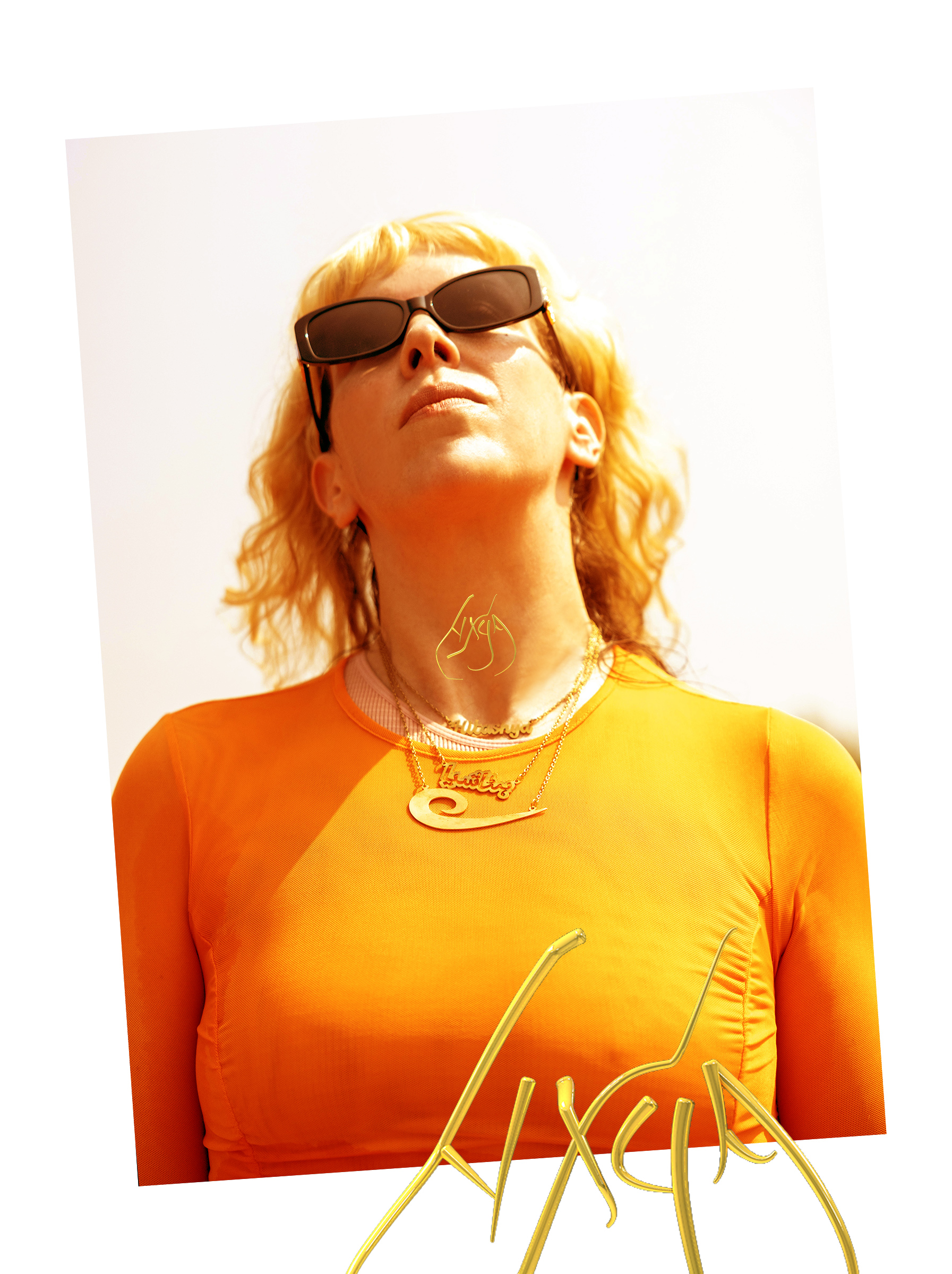
SpiraLogics: Using Spiral Intelligence to Navigate Change, Constraint, and Transformation
A guided inquiry into spiral logics across nature and culture, exploring how spiral principles can be used to design and sustain processes that remain coherent, adaptive, and generative under conditions of change, pressure, and constraint.
Course Overview
SpiraLogics is an emerging inquiry into the structural and generative principles that give rise to spiral forms across nature, culture, and cosmology, and how those principles might inform the way human systems and processes are designed and sustained.
Spirals appear throughout the natural world—from galaxies and hurricanes to shells, plants, and biological growth patterns. But they also appear in cultural practices, artistic processes, and ways of organizing time and transformation.
SpiraLogics asks a simple but far-reaching question: what can we learn from the operational logics that generate spiral structures, and how might those logics inform human systems?
This course introduces participants to the Spiral Transfer Method, a framework for translating spiral principles from natural or cultural contexts into human domains such as education, community organization, creative practice, and governance. The method examines how spiral forms arise, what functions they serve in their native environments, and how analogous structural conditions might exist within human systems.
In addition to exploration, the course is oriented toward application. Participants will learn how to design and refine systems, practices, and processes that can evolve without fragmentation—maintaining continuity, coherence, and identity even as they adapt and transform.
Through guided discussion and collaborative inquiry, participants will:
-explore spiral structures across ecological, biological, and cultural contexts
-examine the mechanisms and functions that generate spiral forms
-map spiral principles onto human systems and processes using the Spiral Transfer Method
-apply these principles to a real system, project, or practice of their own (creative, organizational, or pedagogical)
-identify areas where spiral logics may strengthen resilience, adaptability, and continuity
-recognize human systems that already operate according to spiral dynamics and consider how they might be supported rather than replaced
-develop a working prototype, model, or reframe of a system/process that can better withstand pressure, iteration, and change
Rather than presenting a fixed theory, this course invites participants into a collaborative investigation of spiral logics as a lens for understanding growth, iteration, continuity, and transformation in human systems—while equipping them with tools to actively shape those systems in their own contexts.
Who Is This Course For?
-Artists and writers interested in structural patterns that shape creative practice
-Educators exploring alternative frameworks for learning and knowledge systems
-Community organizers and cultural practitioners working with evolving collective processes
-Systems thinkers and researchers interested in pattern-based approaches to human organization
-Anyone curious about how patterns in nature and culture might inform the design of human systems
No prior scientific or technical background is required—only curiosity and a willingness to explore interdisciplinary ideas.
What You'll Learn
- develop the capacity to identify spiral patterns across ecological, cultural, biological, and historical contexts, and to examine the conditions that produce them
- engage nonlinear models of transformation and adaptation as practical tools, not only theoretical frameworks
- apply the Spiral Transfer Method to a real system, process, or practice within their own lives or work, leaving with a spiral-informed prototype, model, inquiry, or reframe that remains open to further development.
What's Included
Live Sessions
Interactive classes with your instructor
Session Recordings
Lifetime access to all recordings
Community Access
Connect with fellow learners
Certificate
Proof of course completion
Real-World Project
Participants will develop a spiral-informed redesign, prototype, or model of a real system, practice, or process within their own context (e.g., a creative workflow, curriculum, community initiative, organizational structure, or personal practice).
Session Schedule
About the Instructor

Writer, composer, and educator developing an inquiry into spiral structure across art, ecology, and collective life.
Described by Caribbean Beat Magazine as “a poet disguised as a songbird”, Ruth Osman is a Guyanese singer, songwriter, poet and educator based in Trinidad and Tobago. Osman was shortlisted for the Brooklyn Caribbean Festival’s 2025 Elizabeth Nunez Award for Writers in the Caribbean, and was a top-three finalist in the previous year. In 2022, she was shortlisted for the Bocas Lit Emerging Writers Fellowship. Her debut poetry collection, All Made of Longing, won Best First Book of Poetry and placed second in the Best Book of Poetry category of the Guyana Prize for Literature 2023. Her work has been published in MOKO: Caribbean Arts and Letters, Wildness, and Mulberry Literary, among others. Osman is currently developing SpiraLogics, an interdisciplinary inquiry exploring spiral dynamics and offering conscious scaffolding for creative practice, learning, community organising, and ways of living. Her speculative fiction extends these inquiries into multiversal narratives centered on transformation, hybridity, and survival under pressure. She is also co-founder and facilitator of Weaving Wor(l)ds, an online poetry community.
$400
Get Notified
Sign up to be notified when registration opens.
October 11
20 students max
6 sessions
90 min each