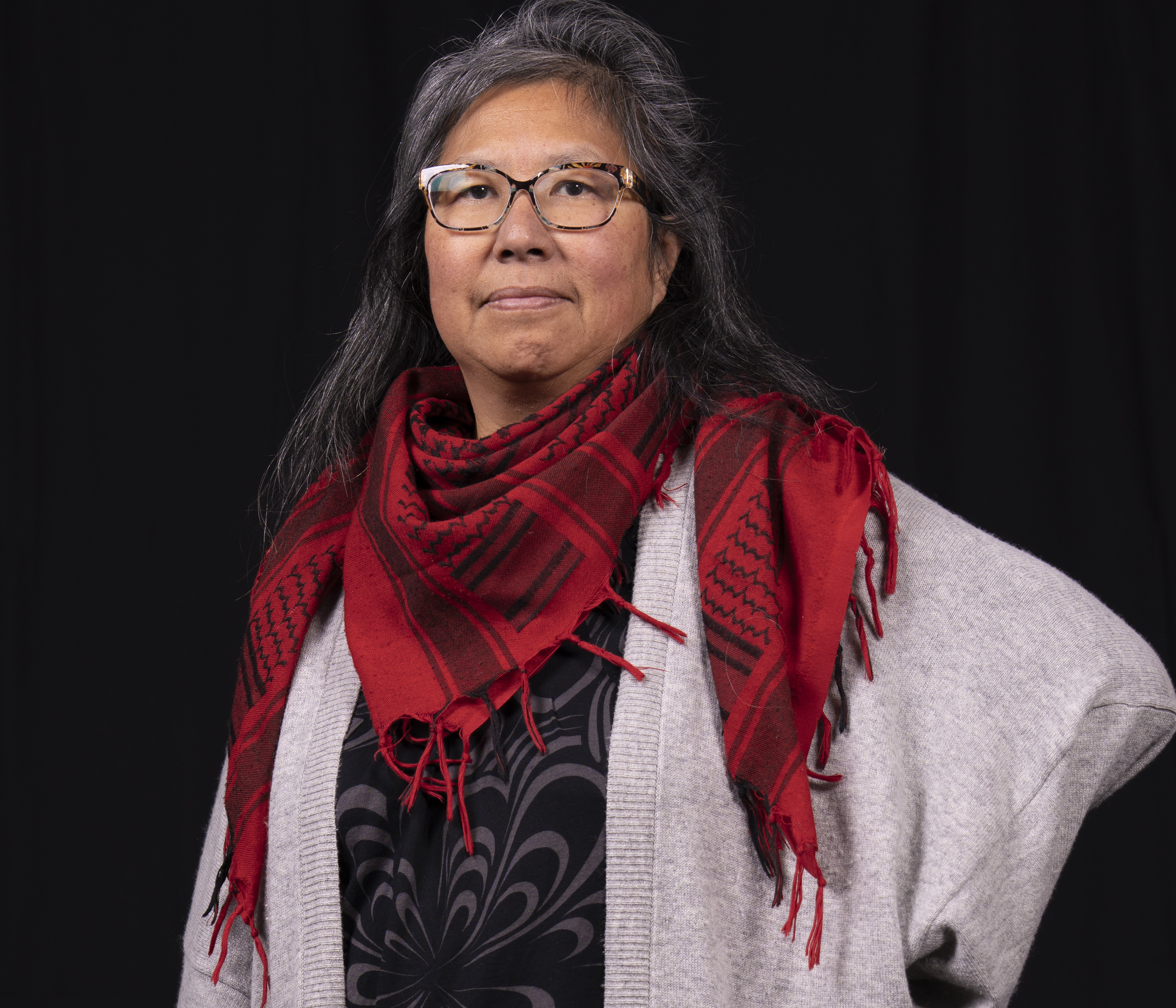
Collective Liberation & AI: A Decolonial Practice
Examine AI through decolonial, embodied, and liberation-centered frameworks while building practical tools for community, narrative sovereignty, and collective action.
Course Overview
Artificial intelligence is often framed as neutral, inevitable, and revolutionary. This course challenges that narrative by examining AI as a political and cultural infrastructure shaped by colonial histories, extraction, surveillance, and dominant knowledge systems. Drawing from the intellectual traditions of Audre Lorde, Sylvia Wynter, Frantz Fanon, Toni Morrison, Edward Said, Walter Rodney, James Baldwin, and contemporary scholarship on AI governance and technofeudalism, learners will explore how artificial intelligence reproduces existing systems of power — and how communities can respond creatively and collectively.
This course moves beyond conventional AI literacy. Rather than treating technology as separate from philosophy, history, ecology, or embodiment, we examine how AI intersects with language, labor, climate extraction, epistemology, and the nervous system itself. AI didn't arrive neutral — it was built through exclusion from the beginning. This course starts from that fact, not as a verdict to sit with, but as the ground for building something else.
Across six live sessions, learners will engage both critically and practically through dialogue, reflection, collaborative analysis, and applied frameworks developed through years of work in movement, educational, and nonprofit spaces. No coding background is required — this is not an "AI 101" course, but decolonial praxis applied to the systems already shaping your language, your organization, and your daily practice.
Topics include:
Decolonial praxis and the colonized nervous system
How machine learning and large language models actually work
AI, extraction, labor, and climate infrastructures
Narrative sovereignty and language politics
Somatic and contemplative approaches to technology
Organizational and movement-based AI literacy
Building liberation-centered alternatives and practices
Learners will work with three original frameworks throughout the course: the Language Audit for Solidarity Work, the Narrative (Re)Frame Method, and the Activated Solidarity Method.
The course culminates in a real-world Liberation Artifact designed for learners' own communities, organizations, or creative practice — not a hypothetical exercise, but something built for immediate use. This is rigorous, interdisciplinary work rooted equally in political analysis, imagination, embodiment, and collective responsibility.
Who Is This Course For?
This course is designed for:
Community organizers and movement workers
Educators and curriculum designers
NGO and nonprofit professionals
Journalists, writers, and communicators
Artists and cultural workers
Researchers and public interest technologists
People seeking a deeper ethical and political framework for understanding AI
Learners interested in decolonial thought, narrative sovereignty, and collective liberation
Helpful background includes:
Familiarity with social justice or liberation-oriented work
Curiosity about AI and emerging technologies
Willingness to engage critically, collaboratively, and reflectively
This is not a beginner coding or technical AI course. It is designed for people interested in the social, political, cultural, and embodied implications of AI.
What You'll Learn
- Develop a decolonial framework for understanding artificial intelligence and technological power
- Analyze how AI systems encode bias, extraction, and dominant epistemologies
- Apply narrative sovereignty and language analysis tools within organizations and communities
- Build practical, liberation-centered approaches to engaging AI responsibly
- Create a real-world project that translates course concepts into community practice
What's Included
Live Sessions
Interactive classes with your instructor
Session Recordings
Lifetime access to all recordings
Community Access
Connect with fellow learners
Certificate
Proof of course completion
Real-World Project
Learners will create a “Liberation Artifact” tailored to their own context, such as:
• An organizational language audit
• A workshop or facilitation guide
• A public essay or op-ed
• A podcast or audio narrative
• A multimedia storytelling project
• An original framework or toolkit for community use
The project will be developed incrementally throughout the course and shared during the final session.
Session Schedule
About the Instructor
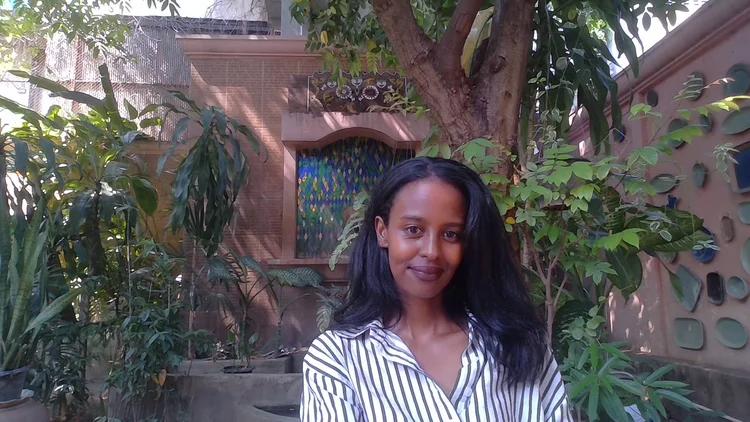
AI Governance · Decolonial Practice · Narrative Sovereignty
Sahra is a writer, nonprofit leader, and Global Design and Communications Strategist at the Corporation for Public Interest Technology (CPIT). She also runs Access Point, her independent practice in decolonial research and media. Trained as a journalist, her reporting has appeared in Sierra Magazine, Outside, Belt Magazine, Reader's Digest, and Scholastic. She works with universities internationally and consults on how institutions engage AI, language, and power. A Somali-American nomad who splits her time between continents, Sahra grew up among pastoral nomads in Northern Somalia and now lives between Alaska and Southeast Asia — a background that shapes the intersectional, pan-cultural lens running through her work. With a background in curriculum development and DEIA, she incorporates decolonial frameworks directly into her facilitation. Her work returns to three throughlines: narrative sovereignty, decolonial practice, and epistemic justice.
Frequently Asked Questions
$800
This course has already begun.
Started Oct 12.
Sign up to be notified when this course runs again.
October 12
20 students max
6 sessions
90 min each